Frankie Klein · 31 October 2026
Quarry Opposition Fuels Dialogues Connecting Heritage Sites with Sustainable Transport Expansions Across Regional Networks
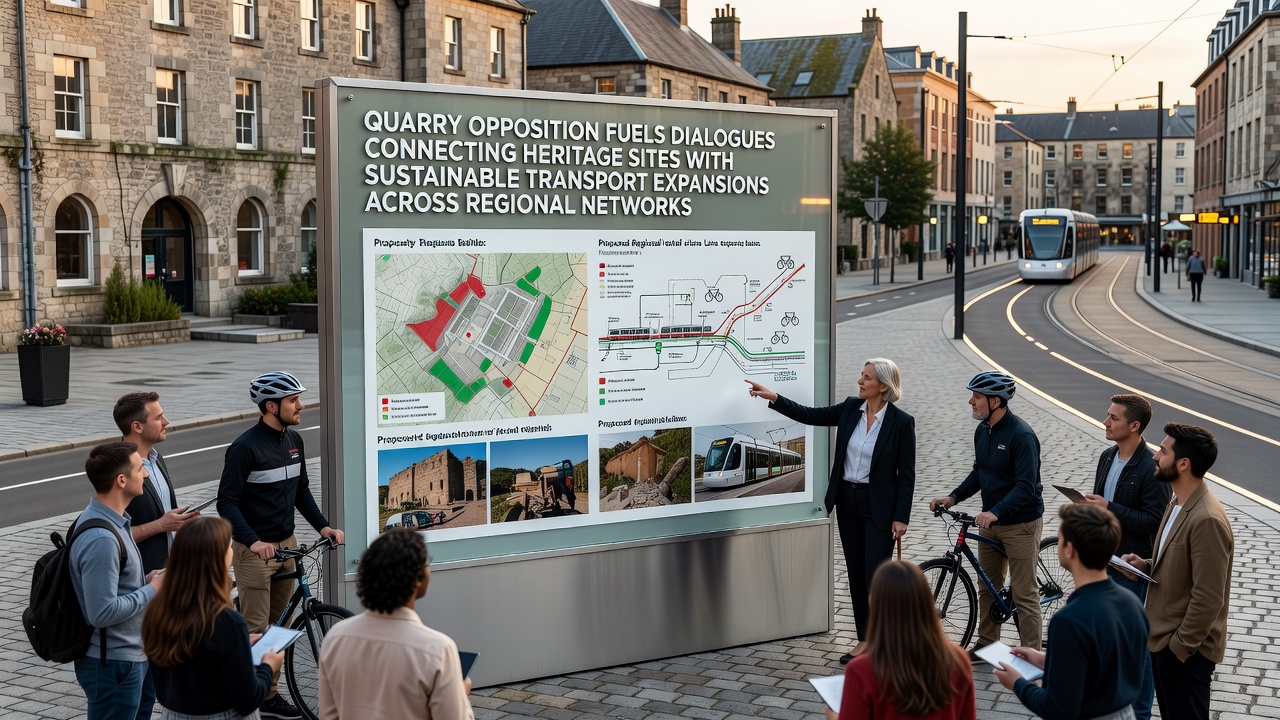
Quarry opposition in several regional areas has sparked ongoing dialogues that link the protection of heritage sites with plans for sustainable transport expansions across connected networks, and these conversations gained momentum through public forums held in October 2026. Local groups raised concerns about extraction activities near protected zones, prompting officials to explore alternatives that incorporate bike paths, rail extensions, and low-emission corridors while preserving historical landmarks. Data from regional planning records shows that such oppositions often coincide with proposals to reroute transport infrastructure away from sensitive archaeological locations, creating opportunities for integrated development strategies.
Heritage Protection Shapes Transport Planning
Researchers at institutions like the Australian Heritage Council have documented cases where quarry developments threaten sites dating back centuries, leading planners to adjust transport routes accordingly. In one instance, opposition campaigns highlighted how proposed quarry boundaries overlapped with ancient pathways, which then influenced decisions to expand regional bike networks instead. These adjustments connect heritage preservation directly to sustainable mobility goals, as authorities map out corridors that avoid excavation zones yet improve access for nearby communities.
Figures from the European Environment Agency indicate that transport expansions near heritage areas require environmental impact assessments that factor in cultural resources, and October 2026 saw several such reviews accelerate due to public input. Planners now integrate findings from these assessments into broader network designs, ensuring that new routes support both conservation and connectivity. What's notable is how these processes encourage collaboration between heritage experts and transport engineers, resulting in hybrid solutions that address multiple priorities simultaneously.
Regional Networks Expand Through Coordinated Dialogues
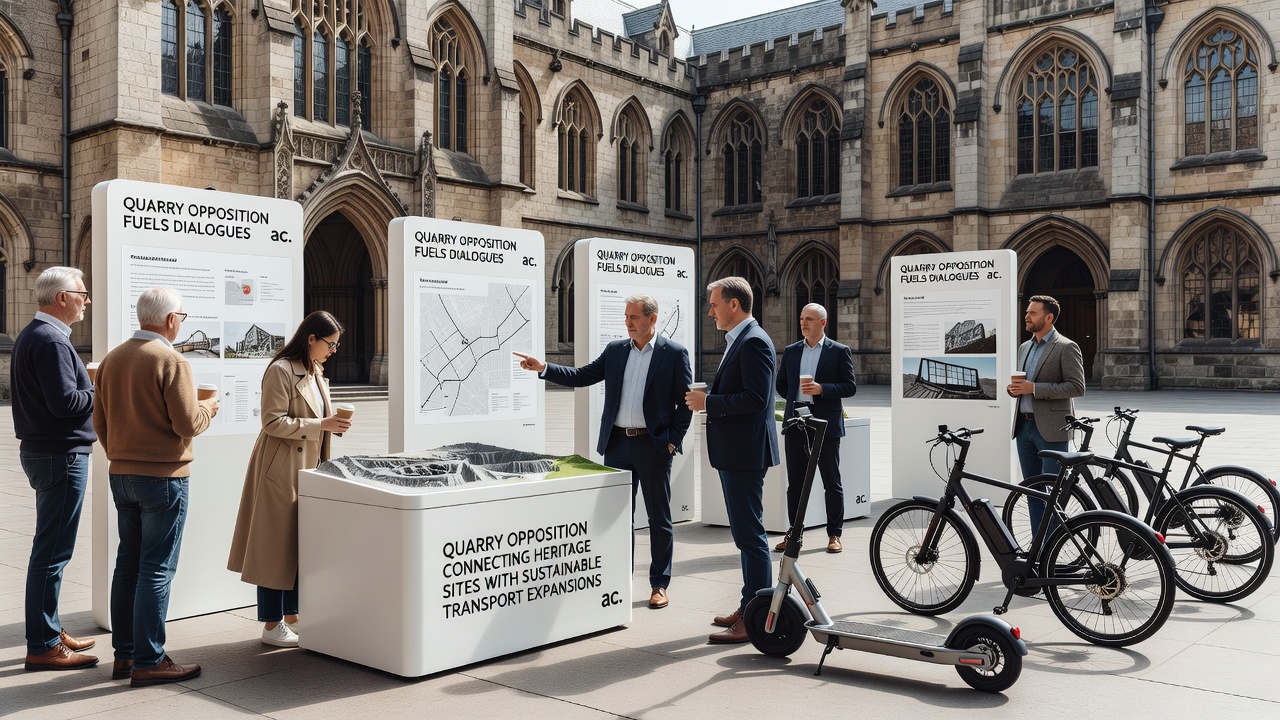
Community meetings in October 2026 brought together representatives from local councils, heritage organizations, and transport agencies to examine how quarry opposition could redirect investments toward greener infrastructure. According to reports from the Canadian Institute of Transportation Engineers, such dialogues frequently produce outcomes like extended rail links that bypass vulnerable sites while linking rural growers to urban markets more efficiently. Observers note that these expansions build on existing patterns where opposition to industrial activities creates leverage for sustainable alternatives, turning potential conflicts into planning advantages.
Evidence from multiple jurisdictions reveals that connecting heritage sites to transport networks often involves mapping exercises that identify low-impact corridors, and data shows reduced conflict when these steps occur early in project timelines. For example, one study by university researchers in the United States found that integrated approaches lowered project delays by incorporating stakeholder feedback on both cultural and mobility needs. This approach allows regional networks to grow without compromising the integrity of historical areas, as authorities prioritize routes that enhance access while maintaining protective buffers around key locations.
Case Examples Highlight Integration Strategies
Take one project where quarry concerns near medieval ruins prompted a shift toward expanded cycling infrastructure that now forms part of a larger regional grid. Planners used input from October 2026 forums to design paths that skirt heritage zones, drawing on guidelines from bodies like the International Council on Monuments and Sites. Those who've studied these developments observe that such adaptations not only protect sites but also boost local economies through improved tourism access via sustainable means.
Another example involves rail expansions that reroute around extraction sites, with dialogues emphasizing the need for heritage-compatible designs. Reports from the New Zealand Transport Agency illustrate how these reroutes maintain network efficiency while addressing community priorities, and data indicates higher public support when heritage considerations factor into initial planning phases. The reality is that these connections between opposition and expansion create frameworks for future projects, where sustainable transport serves as a bridge between preservation and progress.
Conclusion
Overall, quarry opposition continues to drive dialogues that tie heritage site protection to sustainable transport expansions, with October 2026 marking a period of intensified activity across regional networks. These interactions produce concrete outcomes in route planning and infrastructure investment, supported by assessments from diverse international sources. The patterns emerging from these efforts demonstrate how regional coordination can align cultural conservation with mobility improvements, yielding networks that respect historical contexts while advancing environmental objectives.