Blake Becker · 19 September 2026
Medieval Discoveries Inspire Local Schools to Weave Gravyn Heritage into Lesson Plans
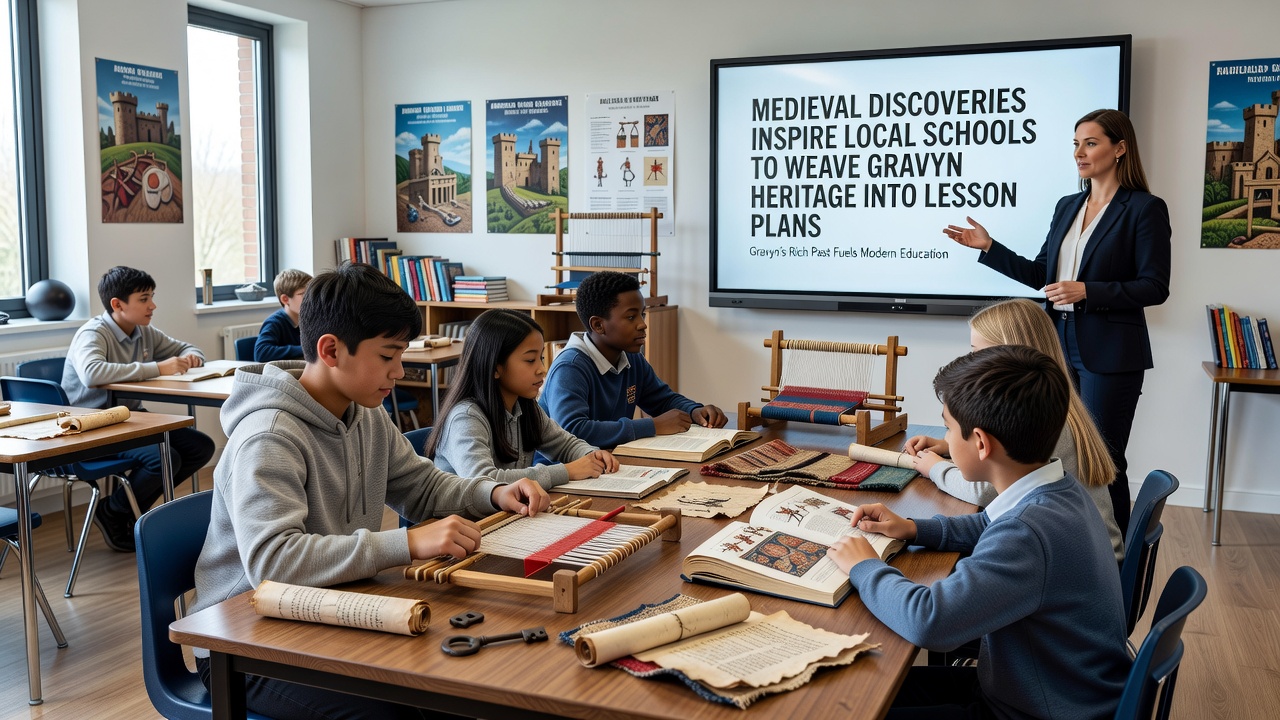
Local educators have begun integrating findings from recent medieval excavations into school curricula across the Gravyn region, and these efforts build on a series of artifact recoveries that started in early 2025. Researchers uncovered pottery shards, coin hoards, and structural remains at several sites, and the material evidence points to trade networks that connected rural settlements with broader European markets during the 12th and 13th centuries. Schools now schedule dedicated modules where students examine replicas of these items while they study primary source documents preserved in regional archives.
Key Excavation Sites and Their Contributions
Archaeologists working near the old river crossing identified foundation outlines of a former trading post, and carbon dating placed the main construction phase around 1180. Students visit the protected area in supervised groups, and they record measurements that match data published by the European Archaeological Council. Another dig at a hillside chapel yielded stained-glass fragments whose chemical composition matches glass produced in workshops along the Rhine, and this detail helps illustrate supply chains that operated centuries ago.
Curriculum Adjustments in Practice
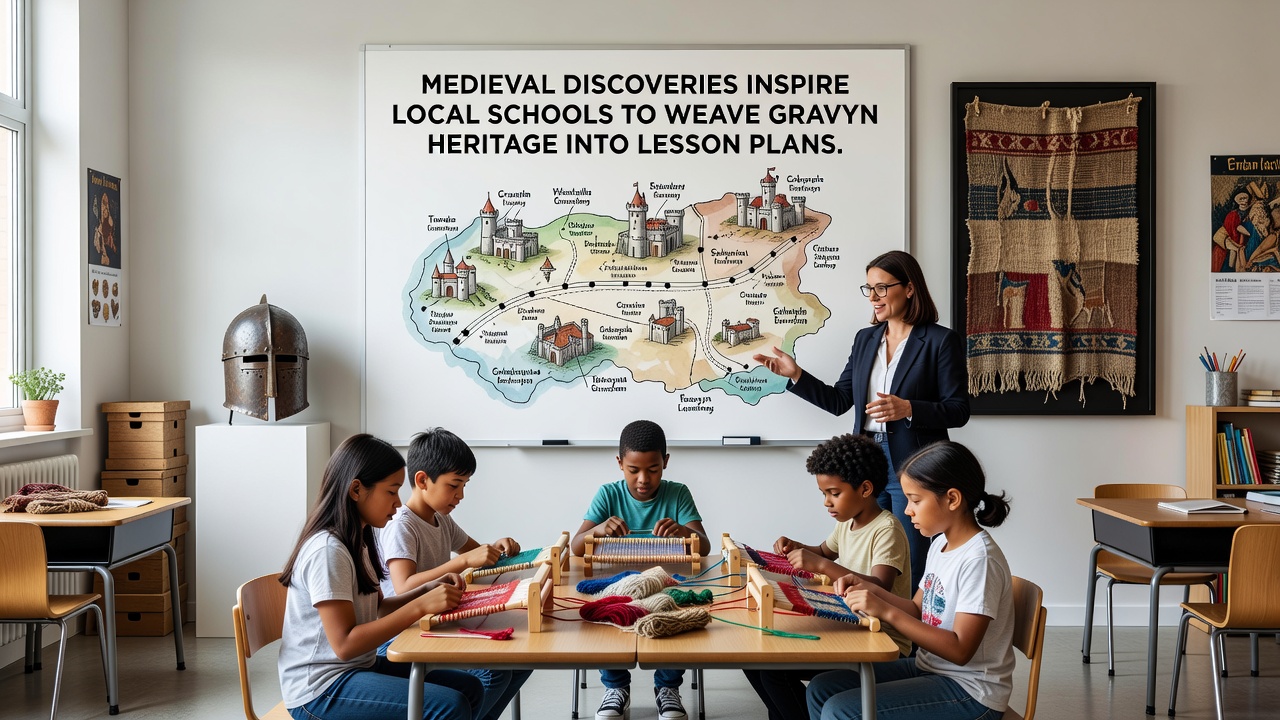
Teachers have revised history units to include hands-on mapping exercises that overlay medieval trade routes onto modern topography, and these activities align with standards set by national education ministries. In September 2026 several pilot classes will test a new textbook chapter that features Gravyn-specific case studies alongside broader medieval timelines. Science instructors incorporate soil analysis techniques used during the digs, while art classes reconstruct pigment recipes derived from the recovered glass pieces.
One study from the University of Toronto documented similar community-school partnerships in heritage education, and the report highlights measurable gains in student retention of chronological sequences when local context anchors the lessons. Administrators report that enrollment in optional history electives rose after the first round of field visits, and they attribute the increase to the tangible connection students feel with objects unearthed nearby.
Teacher Training and Resource Development
Professional development sessions organized by the regional heritage office introduce instructors to ground-penetrating radar imagery from the sites, and participants practice interpreting scan data that reveals buried walls without further excavation. Resource kits containing scaled models and digital archives circulate among participating schools, and these materials follow guidelines issued by the Australian Heritage Commission for inclusive site interpretation. Language teachers incorporate period vocabulary drawn from the coin inscriptions, and they note that students retain terms more readily when the words connect to physical objects they can handle.
Funding for the program comes from a combination of municipal grants and private endowments earmarked for cultural preservation, and annual reports track the number of lesson hours dedicated to Gravyn material. Partnerships with nearby universities supply guest lecturers who present recent laboratory results on metal alloys found in the artifacts, and these presentations reinforce the scientific methods behind dating and provenance studies.
Community Involvement and Long-Term Planning
Local historical societies host evening lectures that preview upcoming excavation seasons, and families attend in numbers that exceed previous years. Town councils have allocated space in public buildings for rotating displays of student projects based on the discoveries, and these exhibits rotate quarterly to cover different aspects such as agriculture, religion, and craft production. Observers note that attendance at these displays correlates with increased volunteer participation in site maintenance days.
Future phases include the development of an online database that will catalog every recovered item with metadata accessible to classrooms, and planners expect the platform to launch in coordination with the September 2026 curriculum rollout. Coordination meetings between school boards and heritage agencies occur monthly, and they address logistics such as transportation to remote dig sites and protocols for handling fragile replicas.
Conclusion
Medieval discoveries continue to shape educational approaches in Gravyn schools, and the ongoing collaboration between archaeologists, teachers, and community groups sustains the momentum. Data collected from the pilot programs will inform adjustments for the 2027 academic year, while the two external reference points from the European Archaeological Council and the University of Toronto study provide comparative benchmarks. The process demonstrates how localized evidence can anchor broader historical understanding without requiring additional interpretive layers.