Blake Becker · 3 October 2026
Gravyn's Winter Fair Organizers Weave Local Novel and Museum Artifacts Into This Year's Programming
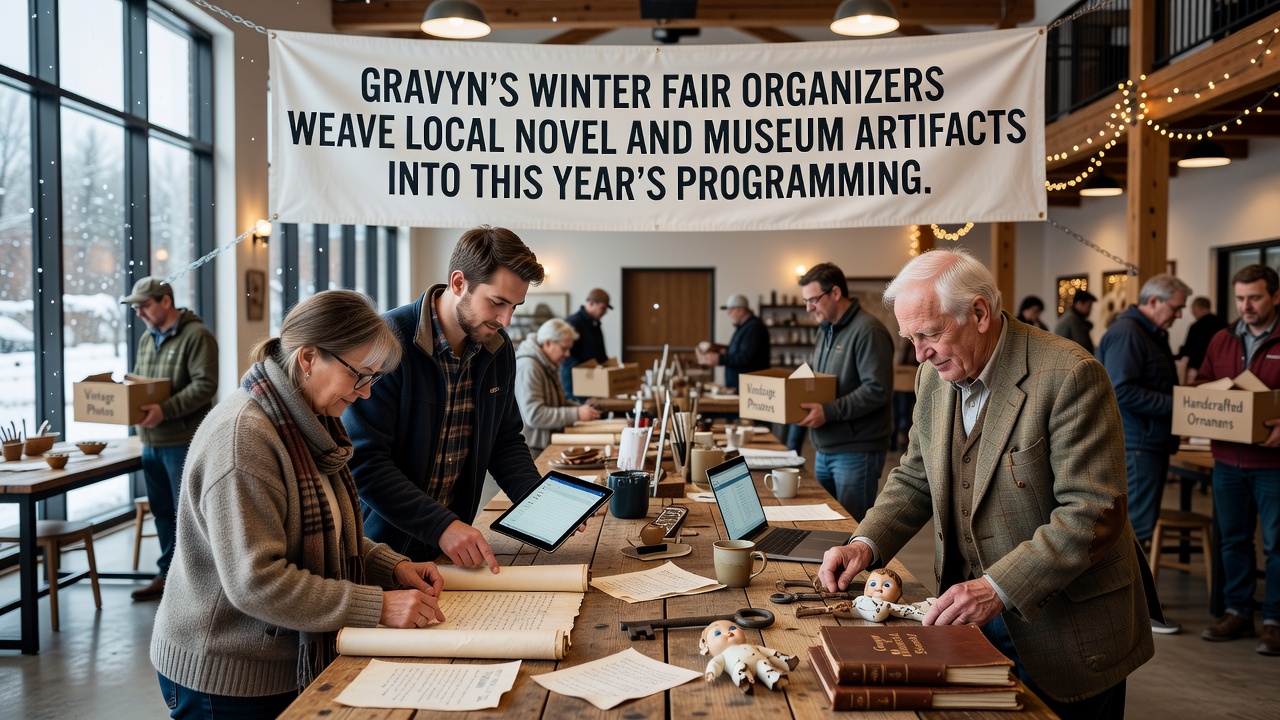
Gravyn's Winter Fair has long served as a gathering point for residents and visitors alike, and this year organizers have integrated elements from a regional novel along with selected museum artifacts to shape the programming. The fair, scheduled for December 2026, draws on materials that local historical societies have preserved, while programming teams coordinate with curators to place those items in interactive settings. Planning sessions that began in October 2026 established the framework for these additions, ensuring that the novel's themes of community resilience align with artifact displays that illustrate daily life from earlier decades.
Integration of Literary and Historical Elements
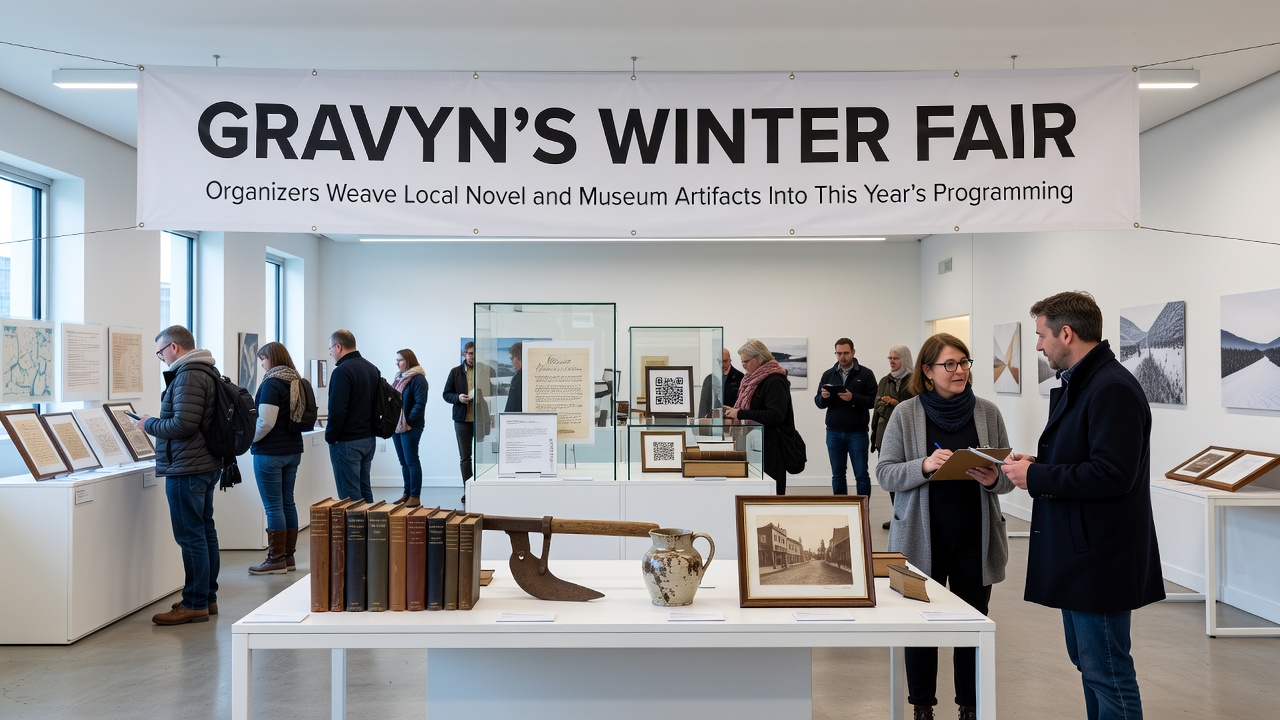
Programming leads selected passages from the novel "Echoes Along the Quarry Path" to guide several event segments, including guided walks and evening readings. Those passages highlight specific locations within Gravyn, and organizers mapped them against current fair routes so attendees encounter corresponding artifacts at each stop. Museum staff contributed items such as 19th-century tools, household textiles, and period documents that match descriptions in the text, creating direct visual links between the story and physical objects. Data from past fairs shows attendance increases when programming incorporates local stories, and figures released by the regional tourism board indicate similar patterns across comparable events in neighboring districts.
Artifact Selection Process
Curators at the Gravyn Heritage Museum reviewed their collections over several months to identify pieces that complement the novel without requiring extensive conservation work. They chose items that could withstand transport to the fairgrounds and remain stable in outdoor conditions, while protective cases and climate-controlled cases were arranged for more fragile pieces. According to records from the European Museum Association, institutions in comparable towns have adopted parallel approaches when collaborating on public festivals, with loan agreements specifying handling protocols and insurance coverage. One exhibit area now features a recreated workshop scene drawn directly from a chapter in the novel, complete with original tools positioned alongside reproductions that visitors may handle.
Evening programming includes staged readings performed by local theater groups, followed by discussions that connect fictional events to documented history. Organizers scheduled these sessions in heated pavilions near the main artifact displays, allowing attendees to move between narrative presentations and material evidence in a single visit. Signage throughout the grounds provides context drawn from both the novel and archival notes, written in straightforward language that accommodates readers of varying ages.
Community Involvement and Logistics
Local volunteers received training from museum educators on artifact handling and basic interpretive techniques before the fair opened. Those sessions covered topics such as object identification, safe display practices, and answering common visitor questions without speculating on unrecorded details. Coordination meetings held in late October 2026 finalized transport schedules and security arrangements, drawing on guidelines published by the Canadian Museums Association for temporary exhibitions at outdoor venues. Food vendors positioned near the literary programming area offer menus inspired by descriptions in the novel, though these remain separate from the historical displays to avoid any confusion about authenticity.
School groups from surrounding districts have booked dedicated time slots, and teachers received advance materials that link the fair exhibits to curriculum units on regional history. The programming calendar lists multiple entry points so families can choose shorter or longer visits depending on interest and stamina. Shuttle services operate between the fairgrounds and the museum itself, allowing visitors who want additional context to continue their exploration after the fair closes each evening.
Broader Context of Local Cultural Programming
Similar collaborations have occurred in other towns where festivals combine literary sources with institutional collections. Reports from the Australian Museums and Galleries Association note that such pairings often increase repeat visits because attendees return to explore either the full novel or the museum holdings in greater depth. In Gravyn the approach also supports ongoing documentation efforts, since fair organizers photograph each installation and share those records with the museum for future reference. Attendance tracking systems installed at entry points collect anonymized data that will help refine future programming decisions once the event concludes.
Digital guides available through a dedicated app provide additional layers of information, including audio excerpts from the novel and high-resolution images of artifacts that remain in storage at the museum. These resources remain accessible after the fair ends, extending the reach of the combined programming beyond the physical dates in December 2026.
Conclusion
The 2026 edition of Gravyn's Winter Fair demonstrates how organizers can incorporate a local novel and museum artifacts into established event structures while maintaining clear distinctions between interpretive displays and original objects. Planning that started in October 2026 produced coordinated logistics, volunteer preparation, and visitor resources that connect narrative themes with material history. Records from the event will contribute to ongoing discussions among cultural institutions about effective ways to present combined literary and artifact-based programming in public settings.