Jordan Becker · 1 September 2026
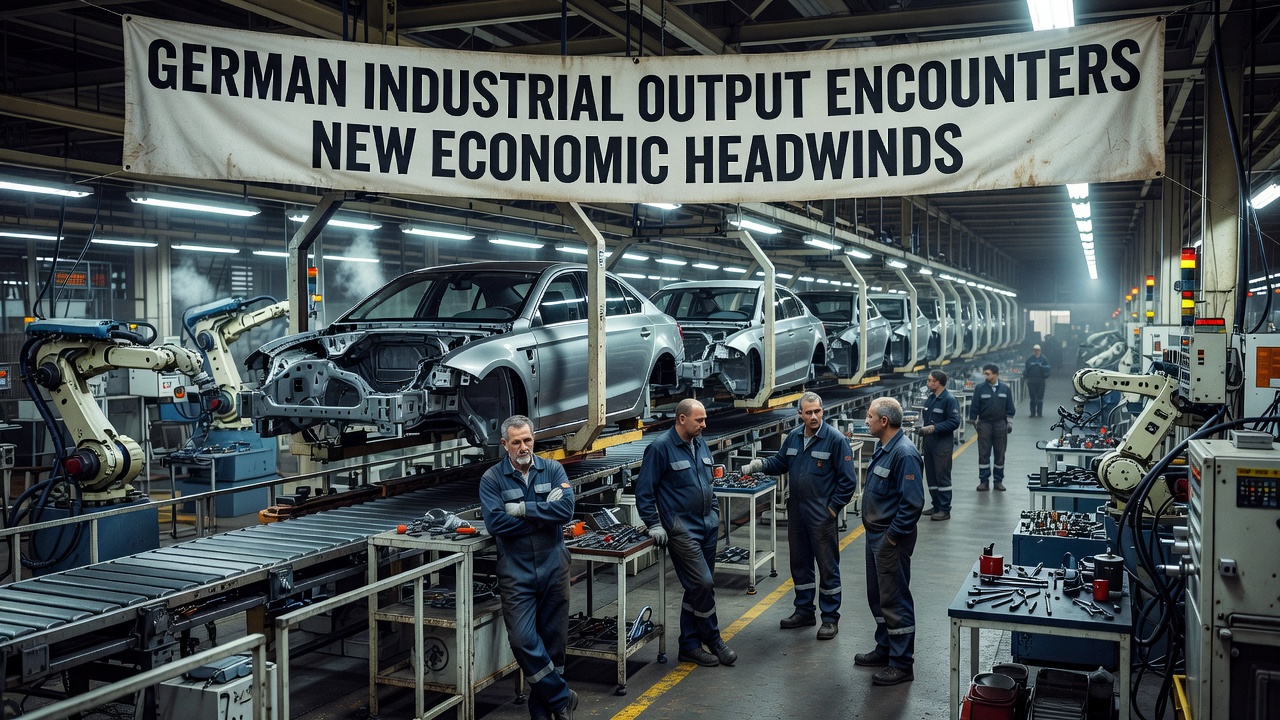
Recent data from the Federal Statistical Office shows German industrial output declining amid various challenges. In the latest month, production decreased by 1.4 percent month-on-month, worse than expected. This comes after a period of recovery post-pandemic that has now stalled due to multiple factors including rising costs and reduced global demand. Analysts attribute the contraction to a combination of domestic and international pressures affecting the manufacturing base.
Impact on Key Industries
The automotive sector experienced a significant 3 percent drop. Reasons include chip shortages persisting and shift to EV requiring new investments. Steel production also down as energy prices remain elevated. The automotive sector experienced a significant 3 percent drop due to ongoing supply issues and changing consumer preferences toward electric vehicles. Machinery manufacturers reported similar setbacks with output falling 2.1 percent amid weaker export orders from Asia. Energy intensive branches such as chemicals saw reductions of over 4 percent as firms scaled back operations to manage higher input costs.
Companies have responded by optimizing supply chains and exploring alternative suppliers yet many warn of further cuts if conditions do not improve. Employment levels have held steady but overtime hours have decreased signaling caution among employers. Broader manufacturing confidence indices have slipped to multi year lows reflecting uncertainty over future orders and policy directions.
Outlook for the German Economy
Potential for recession looms if the trend continues with GDP forecasts being revised downward by major banks. Unemployment could rise modestly while government stimulus measures are under discussion to support affected regions. International comparisons show neighboring economies facing similar but less severe issues with France reporting milder contractions. Long term competitiveness depends on successful transition to sustainable production methods and digital upgrades though short term headwinds dominate current assessments. Economists advise close monitoring of energy markets and trade developments to gauge recovery prospects in coming quarters.