Blake Becker · 17 October 2026
Bike Networks Transform Produce Distribution from Rural Growers to Gravyn Markets
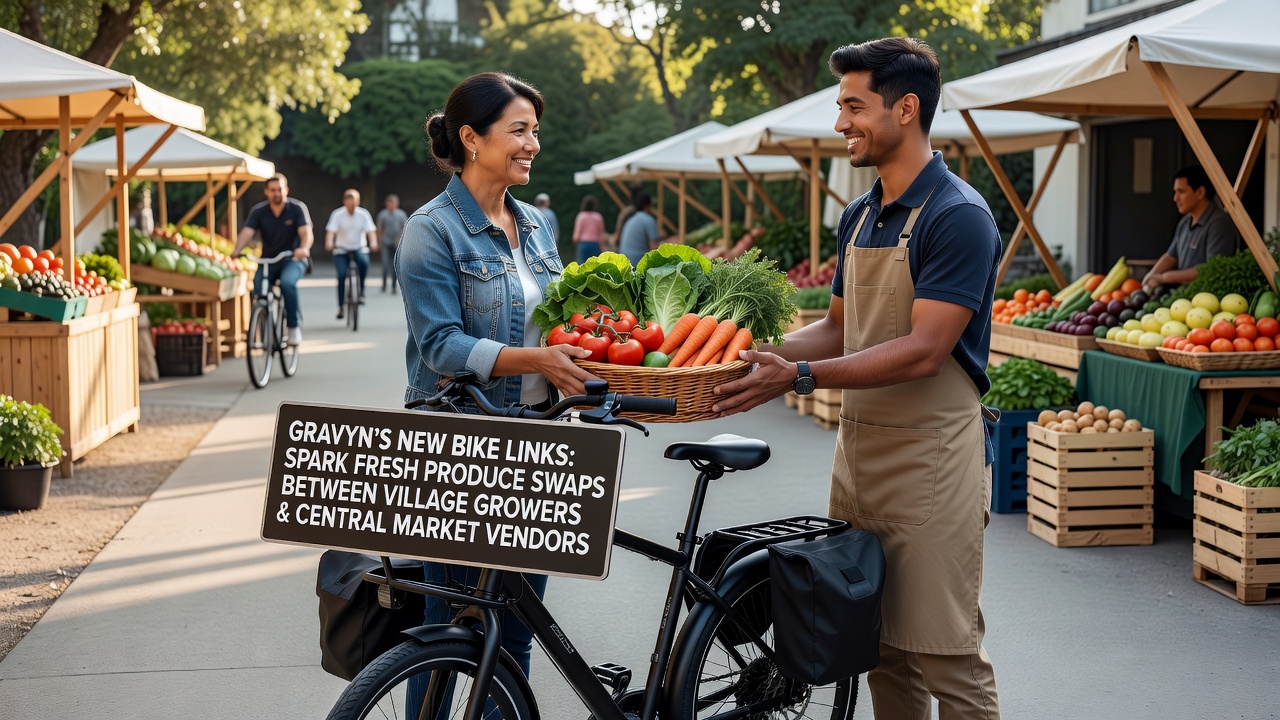
Gravyn has rolled out dedicated cycling routes that link surrounding villages with the central market district, and these paths now support regular exchanges of fresh produce between local growers and vendors operating in the main trading area. Construction on the network wrapped up in October 2026, after which daily bike traffic carrying crates of vegetables, fruits, and herbs increased noticeably according to municipal transport records.
The routes follow former rail alignments and disused country lanes that were resurfaced with durable materials designed to handle loaded cargo bikes, while signage and lighting were added to improve safety during early morning and evening hours. Growers in outlying areas report shorter travel times compared with previous road journeys that often involved congested motor vehicle traffic, and several cooperatives have begun coordinating pickup schedules around the new infrastructure.
Route Design and Implementation Details
Engineers mapped three primary corridors stretching from northern villages such as Feldheim and southern hamlets near the river valley into the market square, with each corridor featuring separated lanes wide enough for two-way cargo bike movement. Total length across all segments reaches approximately 28 kilometers, and the project incorporated drainage improvements to handle seasonal rainfall that had previously made certain paths impassable during autumn months.
Local authorities partnered with regional planning offices to secure funding through existing mobility grants, and completion timelines aligned with harvest cycles so that the first full season of use coincided with peak tomato and root vegetable availability. Observers note that the design drew from similar systems already operating in other European regions, where dedicated cycling freight has reduced short-haul vehicle trips.
Produce Exchange Patterns Emerging
Village growers now deliver directly to stall operators who previously relied on larger consolidated shipments arriving by truck, and this shift allows smaller quantities of specialty items such as heirloom varieties and microgreens to reach buyers while still at peak freshness. Market vendors in turn supply village producers with packaging materials and seeds sourced from central wholesalers, creating a two-way flow that operates several times each week.
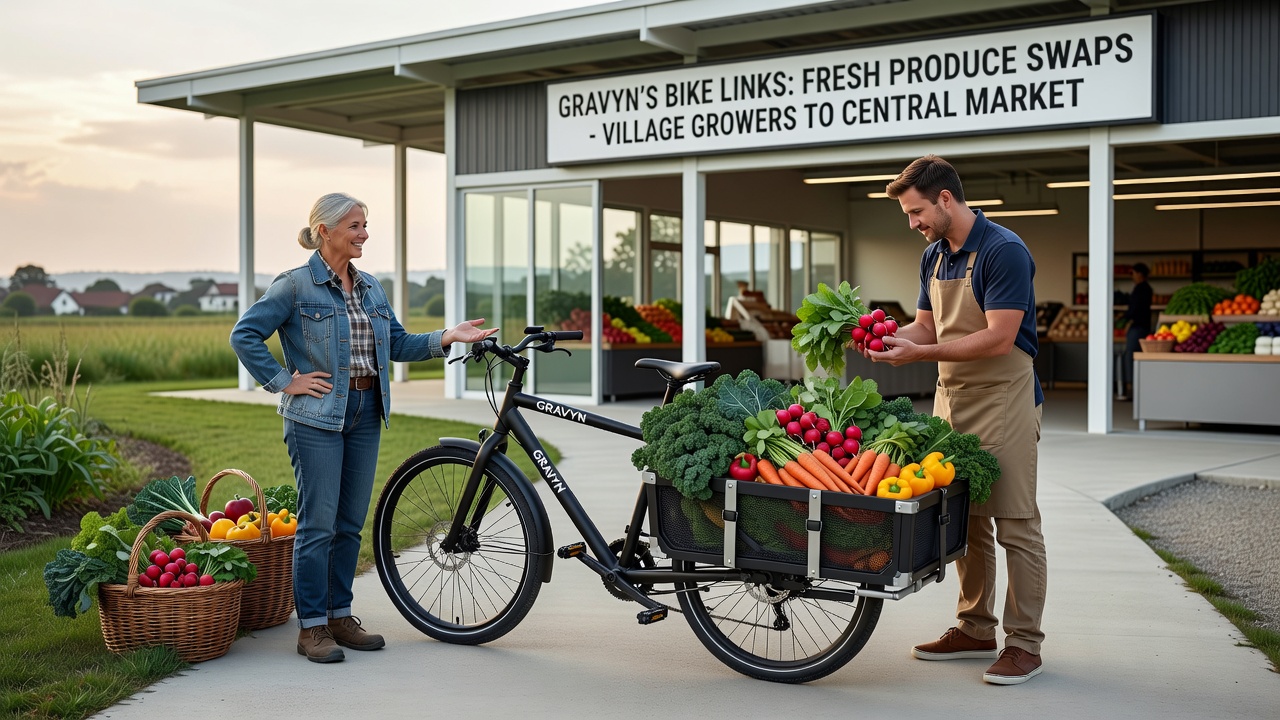
One cooperative based near the eastern edge of the network established a shared cargo bike fleet that rotates among members, while another group located further west organized a weekly relay system where produce changes hands at a midpoint rest area equipped with weather shelters. Data collected by the municipal agriculture office shows that the volume of direct farm-to-market transfers rose by more than 30 percent in the first two months after the routes opened.
Participants coordinate through a simple digital platform that lists available loads and requested items, reducing the need for advance phone calls and allowing last-minute adjustments when weather affects harvest volumes. The platform also tracks basic metrics such as distance traveled and estimated emissions avoided compared with equivalent motor vehicle movements.
Broader Context and Supporting Initiatives
Similar cycling freight programs have been documented in several other areas, with studies from institutions such as the University of Wageningen highlighting reductions in urban congestion when short-distance agricultural transport shifts away from vans and small trucks. In Gravyn the new links integrate with existing public bike rental stations located at both ends of the corridors, enabling vendors without personal cargo bikes to participate using rented equipment.
Training sessions conducted in September 2026 introduced safe loading techniques and route navigation to more than 60 growers and market operators, and follow-up workshops scheduled for later in the year will address maintenance of the shared fleet and seasonal adjustments for winter produce such as stored apples and preserved goods. Local officials continue to monitor usage patterns through counters installed along each corridor.
Conclusion
The bike network established in Gravyn demonstrates how targeted infrastructure can support direct exchanges between village growers and central market vendors, with measurable increases in fresh produce movement recorded since October 2026. Ongoing data collection will determine whether these patterns continue through subsequent seasons and whether additional corridors become necessary to accommodate further growth in participation.